
Where should a porta potty go on my property?
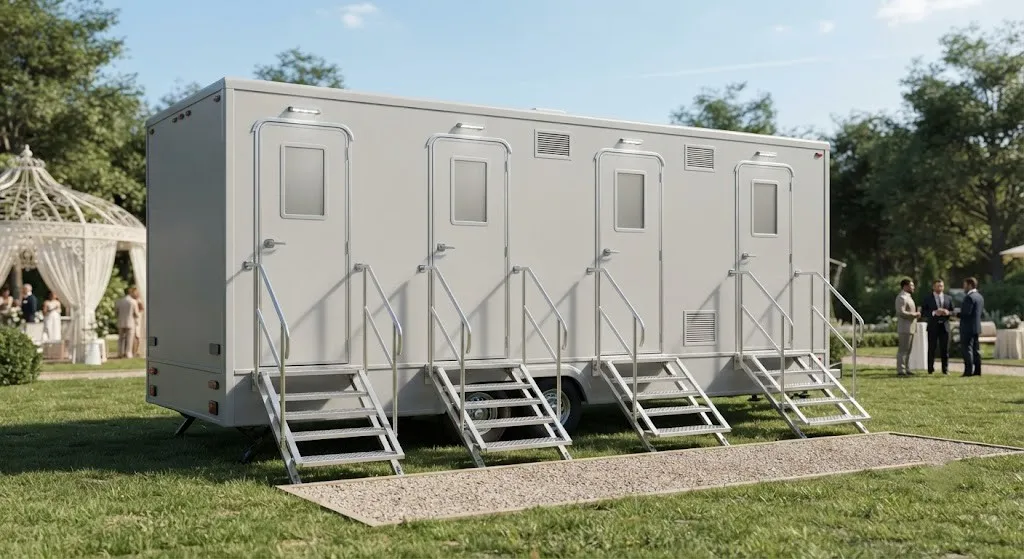
Pick flat, stable ground first. ADA Standards section 302.1 calls for surfaces that are stable, firm and slip resistant, and that rule is worth following even for a standard unit nobody's rolling a wheelchair up to. Keep units away from slopes, soft mulch, and anywhere water pools after rain. A standard unit runs about 44 by 48 inches on the ground and stands 92 inches tall, so give it real clearance from fences, low branches, and parked cars. If you're placing near a curb or sidewalk in Palm Harbor, check whether the spot counts as public right of way; that placement needs confirming with the city, and we don't guess at rule numbers we haven't verified. For jobsites, pair placement with your construction site services plan so the toilet sits inside the safe work zone, not outside it. Homeowners doing a remodel should look at home renovation porta potty setup for driveway and yard spacing that keeps contractors moving.
How much clearance does a service truck need?
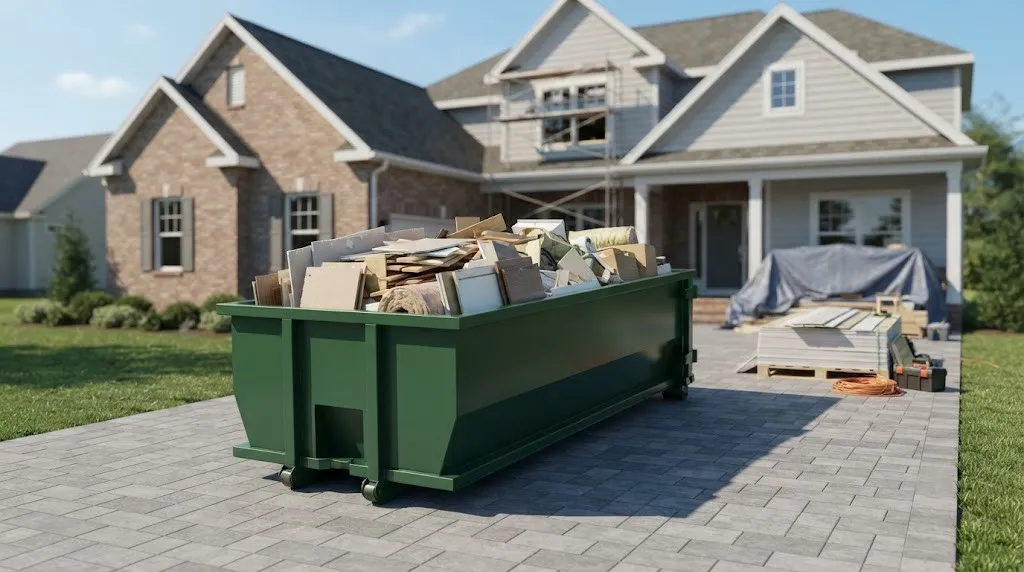
Give the truck a straight shot and enough room to work without threading between obstacles. A roll-off delivery needs about 60 feet of straight clearance behind the truck, and portable toilet servicing needs similar breathing room even though the vehicle is smaller. That clearance rule matters just as much for a roll-off dumpster rental as it does for a toilet, since both get placed with the same access logic. If you're planning a dumpster placement permit alongside your toilets, know that dumpster placement permit cost and porta potty placement rules are handled separately by the city, and neither one is listed here because we have not verified the fee schedule. Curbside or street placement usually triggers that permit question first. For events, check the porta potty placement guide logic against your event restroom rental layout, since foot traffic patterns change where the truck can park.
Where should I place an ADA unit?
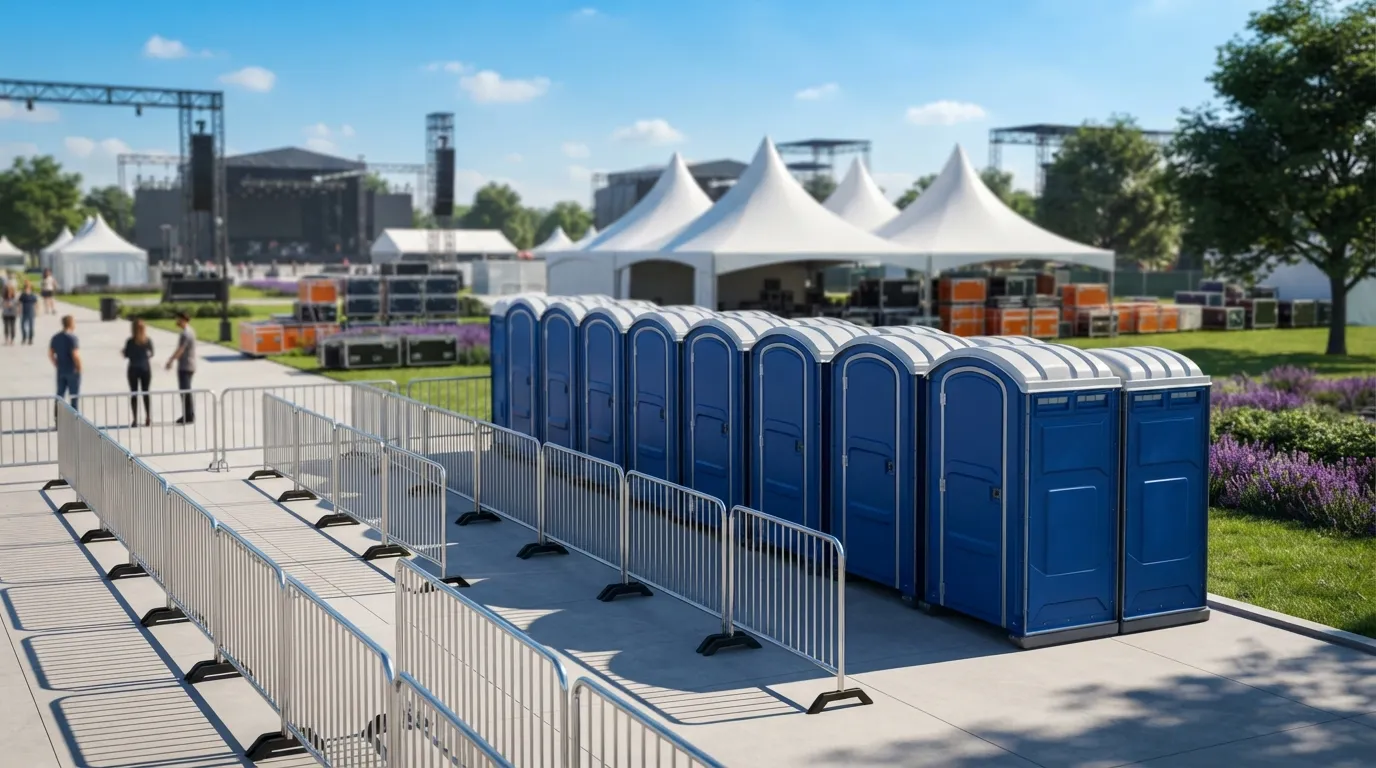
Put it on the same accessible path as everything else, not off to the side. ADA Standards section 213.2 requires that where single-user units are clustered, at least 5 percent, and never fewer than one, must be accessible. ADA Standards section 403.5.1 sets a 36 inch minimum clear width for the route leading to it, and ADA Standards section 404.2.3 requires a 32 inch clear door opening. Inside, ADA Standards section 304.3.1 calls for a 60 inch turning circle, and ADA Standards section 308.2.1 limits the forward reach to 48 inches high and 15 inches low. Operable parts need to meet ADA Standards section 309.4, meaning no tight grasping or pinching to open the latch. If a ramp is involved, ADA Standards section 405.2 caps the slope at 1:12. Our ADA accessible porta potty page covers unit specs, and ADA restroom requirements walks through the full accessible route in more detail than fits here.
Do jobsite toilets need to sit near the work, or near the crew?
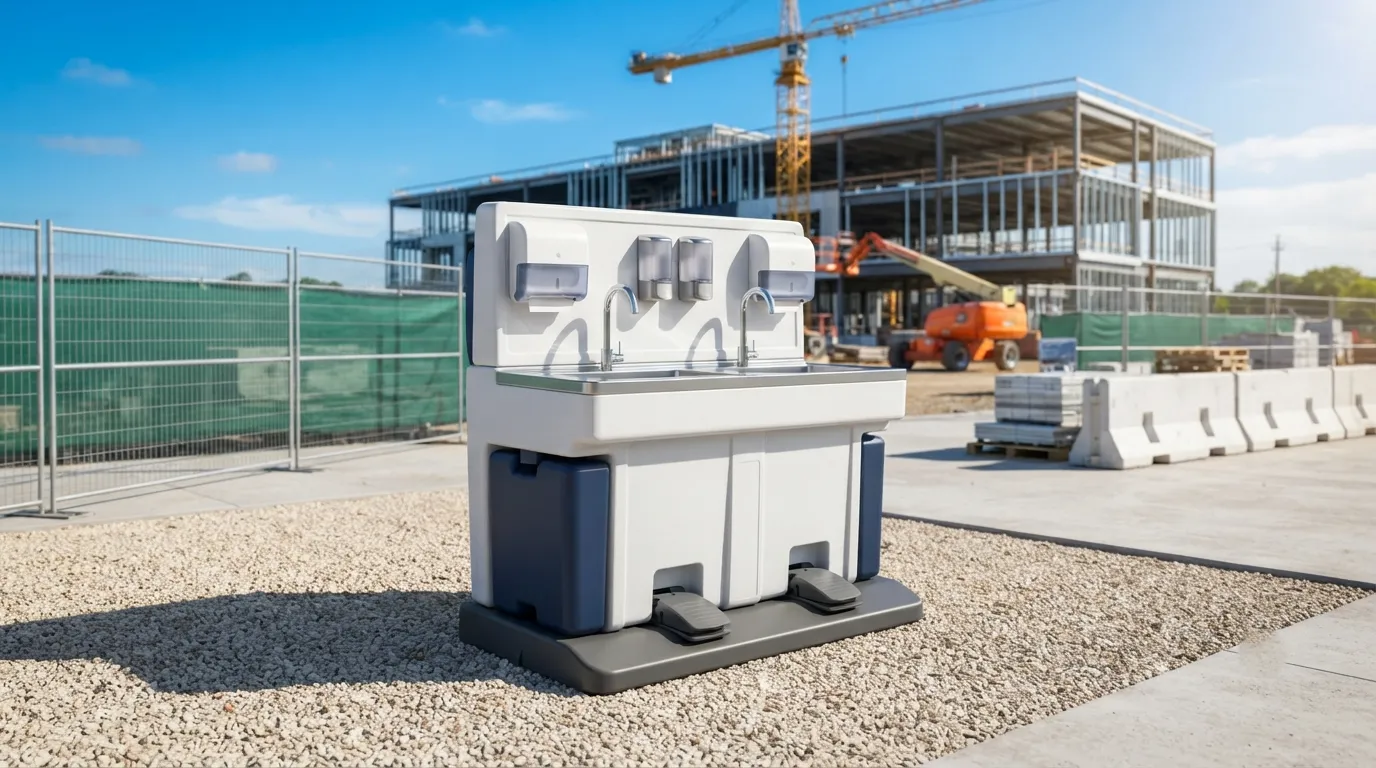
Near the crew, and within reason of the work. OSHA 1926.51(c)(1) sets the ratio: one toilet for 20 workers or fewer, then one toilet seat and one urinal per 40 workers as the crew grows past that, and per 50 once you hit 200 workers. That ratio drives how many units you place, and our how many porta potties do I need page runs the math for different crew sizes. Placement should keep walking distance short without putting units in the middle of active equipment paths, which is also where OSHA 1926.25 housekeeping and OSHA 1926.252 debris disposal rules come into play near dumpsters and chutes. If your crew is applying paints, coatings, herbicides or insecticides, OSHA 1926.51(f)(1) requires washing facilities near that work, separate from the general toilet count. Pair that with a handwashing station rental placed right at the mixing or spraying area, not back by the office trailer. Farms with hand-labor crews should look at OSHA 1928.110, which sets one facility per 20 employees within a quarter mile walk; our farm and agricultural restrooms page covers that layout for Palm Harbor growers.
Placement questions come up just as often for other equipment on the same site. A mobile office trailer rental needs its own level pad and power run, and mobile office trailer replacement doors are a maintenance question worth asking your rental company before delivery, not after a door won't latch. Same goes for wash stations: ozark river portable sink replacement parts come up often enough that it's worth confirming your unit's parts are stocked locally before you're stuck mid-job. If you're coordinating a full site build-out, our storage container rental and temporary fence rental pages cover the pads and perimeter lines that placement plans need to account for together, not as afterthoughts.
Septic and grease work follows different placement logic entirely, driven by access for the pump truck rather than foot traffic. A residential septic tank is typically pumped every 3 to 5 years depending on tank size and household size, and the truck needs a clear path to the tank lid, same as a placerville septic pumping service crew would want anywhere else. Grease interceptors get pumped once fats, oils, grease and solids reach 25 percent of the liquid depth, so kitchen placement needs to keep that access point unblocked. Our septic pumping service and grease trap pumping pages go through lid access and truck routing in more depth than a placement guide can.
FAQ
How far from a building should a porta potty sit?
Far enough to clear windows, doors, and air intakes, with room for the service truck to reach it without backing across landscaping. There's no single fixed number here; it depends on the site. Our porta potty rental team walks the site with you before delivery to confirm the spot works.
Can I place a porta potty on the street in Palm Harbor?
Maybe, but confirm it with the city first. Street and right-of-way placement often needs separate approval, and we have not verified the exact rule for Palm Harbor, so we won't quote one. Ask before delivery day to avoid a reschedule.
What surface does a portable toilet need?
Flat, firm, and stable enough to hold a filled 60 to 70 gallon tank without sinking or tipping. Gravel, pavement, and packed dirt all work. Soft grass after heavy rain usually does not, and grass near Tarpon Springs job sites 7.5 miles north often gets softer than expected.
Does placement change for a restroom trailer versus a standard unit?
Yes. A trailer needs a level pad, often a power hookup, and clearance for a larger delivery vehicle than a standard unit requires. Check our restroom trailer rental page for pad size and hookup details before you pick the spot.
Who decides where the toilet goes on a jobsite?
Usually the site supervisor, working with OSHA 1926.51(c)(1) ratios and the porta potty rental checklist for walking distance and access. Palm Harbor Porta Pros will flag any spot that blocks service access or violates clearance before delivery.
Next step
Get a delivery date
Tell us the address, the dates and the headcount. We size the order and confirm the route.